

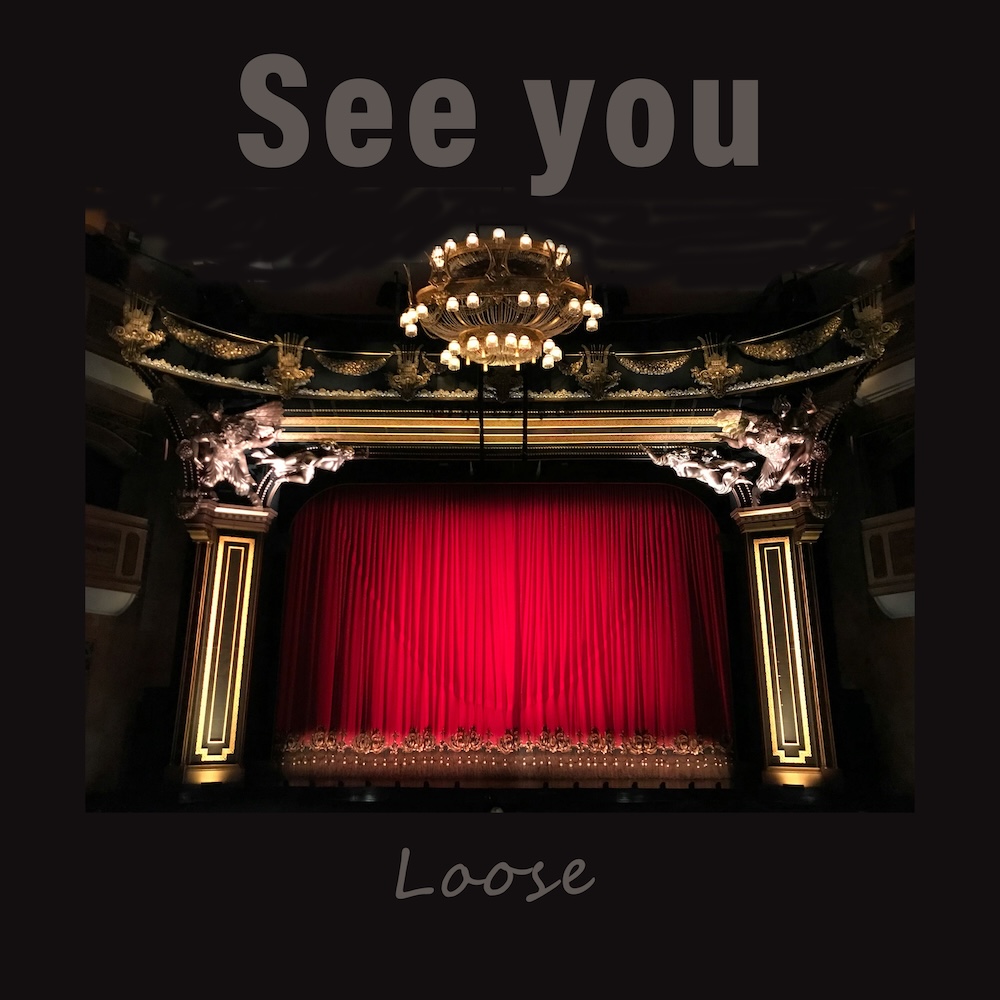
Pairing contemporary pop sensibilities with heartfelt storytelling and subtle musical sophistication
“SEE YOU” — released in February 2026 — marks a compelling moment in Loose’s evolving sound, blending introspection with lush, modern production and emotive lyricism. The track clocks in at just over four and a half minutes, offering the listener space to breathe and feel every nuance of its emotional core.
From the very beginning, the song’s atmospheric soundscape draws you in with a mix of warm synth pads, subtle percussion, and a vocal delivery that feels both intimate and expansive. Loose’s vocal performance here is confident yet vulnerable, striking a balance between controlled precision and raw emotional edge. The melody is memorable without feeling forced, finding its groove in thoughtful phrasing rather than bombast.
Lyrically, “SEE YOU” leans into themes of connection and departure — echoing the emotional push-and-pull familiar to anyone who’s grappled with saying goodbye or wondering about unresolved moments with someone significant. While specific lyrics aren’t widely available in the public domain at the moment, the song’s mood suggests a mix of nostalgia and acceptance, where the narrator both cherishes past memories and acknowledges the impossibility of returning to what once was.
Production throughout is polished without overshadowing the song’s emotional backbone. The arrangement evolves in a way that feels natural: verses are pared back and conversational, while the chorus opens up with richer instrumentation, giving the track a satisfying emotional arc. The bridge offers a poignant moment of introspection, with a slight shift in texture that underscores the song’s thematic depth.
Overall, “SEE YOU” stands out as a mature, resonant piece in Loose’s catalog — one that pairs contemporary pop sensibilities with heartfelt storytelling and subtle musical sophistication. Whether it’s on a late-night playlist or the soundtrack to a reflective drive, this track has the quiet emotional weight to linger with the listener long after it ends.
Also featured :